Table Of Content
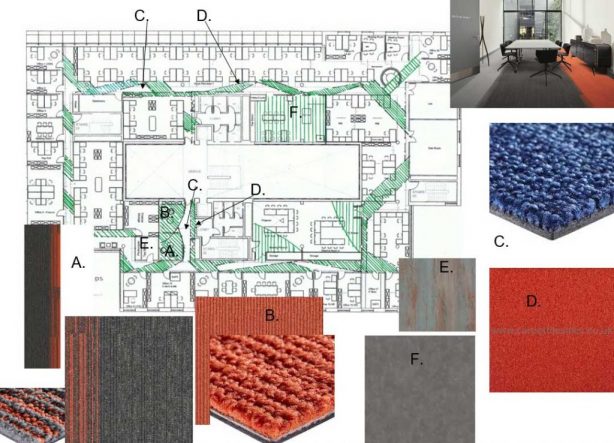
The homeowner must provide a clear idea of what the room’s primary purpose will be, whether it’s an indoor kitchen, outdoor kitchen, or a combination of both, and how much activity there will be in that room. Someone who cooks a lot will require a more functional kitchen than the occasional home chef. Someone with a lot of appliances will require more storage in the kitchen than someone who only uses a microwave to prepare meals. A well-designed space will not only help enhance your comfort and wellbeing and make it a lovely place in which to live, it could also help to increase the value of your property. Well-designed, functional spaces that look and feel good are more likely to be appealing to potential property buyers. Don’t hesitate to contact us should you need any design and space planning help.
Common space planning mistakes to avoid
This plan will show the layout of the space and the placement of furniture. The economy is also an important consideration when designing a space. You need to balance the cost of the design elements with their functionality and aesthetics.
DIY Projects
Residential interiors and remodeling have been the focus of her work for over twenty-five years. Her projects include kitchens, baths, home-offices, and interior as well as exterior living and dining spaces. Redefine space planning with our user-friendly space planning program. Create offices and commercial buildings, retail spaces, homes, and more. It also considers the psychological needs of the people who will use it.

Storage
You can see an example of this in our old family room–the sofa sits about a foot off of the wall with the DIY art ledge on it. If you are working on a DIY interior design project, spatial planning is just as important. It can help you to make the most of the space you have available and create a layout that works for your lifestyle and needs. One of the most common space planning mistakes is pushing all of your furniture against the walls. This is often done in an effort to make the room feel bigger, but it can actually make the room feel disconnected and unwelcoming. Once you know the function of the space, you can start planning the layout, furniture placement, and other design elements.
So, you’re going to find that her designs are pretty simplistic, allowing each piece in the room to make an impact rather than hide away in the clutter. Interiors for people with disabilities may require particular modifications to facilitate independent living. Wheelchair users, for example, require modified spaces and dimensions.
Here are some of the most common space planning mistakes to avoid. Space planning is an essential aspect of interior design that involves determining the purpose, functional requirements, and basic layout of specific areas in a building. What do you need to remember each time you start the space planning process? Aside from the 3 steps outlined directly above, here are 5 key tips to guide you through the space planning portion of your design. In this article, we’ll outline a clear and proven process for space planning that covers all required questions and helps the client understand why you’ve made certain decisions. Additionally, we’ll offer 15 principles and tips for mastering space planning that you can start using today.
Is Planner 5D Free?
Read on to find out more about space planning interior design and expert tips on how to develop your skills to maximise your interior space. While spacing planning is used in commercial and other settings, this guide focuses on creating space plans in residential design. We explore in-depth the process of space planning that starts with the conceptual and evolves into the specific.
What are the key principles of space planning in interior design?
For example, using light colors on the walls and ceiling can help to create the illusion of more space. For example, a building that faces south might require different shading solutions than a building that faces north. You need to take into account the location of the building, as well as any views or natural light sources. For example, a long, narrow room might require a different layout than a square-shaped room.
The conceptual use sets physical aspects such as floor area, layout, and theme. Consider the relative sizes of adjacent and adjoining rooms, as well their placement. For example, a bedroom or workspace should not be next to a social space such as a TV or billiards room. How important is it to properly plan space in interior design? What are the obvious mistakes often made when planning a space? Advanced lighting settings enable you to adjust light temperature,syn position and more, creating a lifelike interior ambiance that will truly impress your clients.
Prospective spaces look out into other areas or outside and refuge areas are designed for rest and retreat. If those decisions have been informed by careful and intentional space planning, you’ll be much more confident that the end result truly meets client needs now and in the future. Following these principles and elements will provide a blueprint for organising the various elements within a room and help you create a logical framework to ensure well-balanced and harmonious spaces. Bold is beautiful, and this is precisely what Kerry aims for in every one of his designs. Having experience with high-profile clients is nothing out of the ordinary.
You can also practice by creating your own floor plans and experimenting with furniture placement and color schemes. Additionally, seeking feedback and advice from experienced designers can help you develop your skills and grow as a designer. The most commonly used tools for space planning in interior design are floor plans, elevations, and 3D renderings. These tools help designers visualize the space and make decisions about furniture placement, lighting, and color schemes.
The preferred software for space planning is the RoomSketcher App. This intuitive and versatile tool allows users to efficiently layout and arrange spaces, experiment with furniture placement, and visualize designs in 2D and 3D formats. With its user-friendly interface and comprehensive features, RoomSketcher is an excellent choice for professionals and enthusiasts alike seeking to optimize their space planning process. With RoomSketcher, you get an autogenerated Project Presentation for each of your space planning projects. Simply email the Project Presentation link, or post it on your social media accounts. Your recipients see a beautiful presentation, including floor plans, Live 3D, 3D Photos, and the project furniture.
The IKEA Planning studio is open for all visitors to browse our showroom and get inspiration and ideas for your home. Those who would like to plan or purchase can make an appointment in advance here. We have taken all safety precautions to maintain social distancing during appointments. Remember the principle “Divide and conquer” – break up large areas with walls, furniture, carpeting, and showpieces. View – unobstructed views into adjacent spaces and/or the outside are desirable. Be selective – don’t fill for the sake of filling every space.
Also about the size, shape, and placement of unoccupied areas. Consider the color palette, furniture allocation, and focal points of each zone when evaluating it. Evaluate people’s ability to move freely through the room without encountering unnecessary obstacles. Make a list of everything you will need to furnish the ideal room layout. Assess the furniture that you or your client owns and wishes to keep in the room. Make a list of the furniture and accessories you will need to complete the space.
A well thought-out design plan requires thought about a color palette, lighting, room size, scale AND space planning. You can get all the info you need to create a cohesive design plan in Designer in a Binder. Space planning helps you figure out how best to organize furniture, fixtures and fittings in a room, but there’s much more to it than that. It also explores the flow and usage of an interior design space, the height, proportions and structure of a room and, where building or renovations are involved, any relevant building regulations.
If you start a project without first doing interior design space planning first, the whole concept could fail. In conclusion, effective space planning is an essential component of any successful interior design project. By considering factors such as structure, flow, lighting, and furniture placement, you can create a space that is not only aesthetically pleasing but also functional and efficient.


No comments:
Post a Comment